A lite led panel is not just another lighting fixture. It is a practical response to rising energy costs, stricter efficiency standards, and the demand for clean, uniform light. From corporate offices in New York to retail stores in Texas, these panels are replacing fluorescent troffers at a fast pace. According to the U.S. Department of Energy, LED lighting uses at least 75 percent less energy and lasts up to 25 times longer than incandescent lighting. That efficiency is one reason the lite led panel has become a preferred solution for businesses that want predictable lighting performance without constant maintenance.
The Core Problem: Traditional Lighting No Longer Works
For decades, offices and commercial buildings relied on fluorescent tubes and bulky fixtures. On paper, they seemed affordable. In reality, they created multiple problems. I have personally walked into office spaces where lights flicker, hum, and leave dark patches across workstations. Employees complain about eye strain, while facility managers struggle with frequent replacements.
Traditional lighting also consumes more power than most people realize. The Energy Information Administration reports that lighting accounts for nearly 17 percent of electricity use in U.S. commercial buildings. Older systems push this number even higher. Heat output is another issue. Fluorescent and incandescent fixtures generate excess heat, forcing HVAC systems to work harder. Over time, this leads to higher utility bills and reduced comfort.
Emergency situations make the problem worse. In power outages, many buildings depend on outdated emergency light setups that fail when they are needed most. This combination of inefficiency, discomfort, and safety risk explains why businesses started looking for better alternatives.
Agitating the Issue: Hidden Costs and Missed Opportunities
The real damage of poor lighting is not always visible on the first utility bill. It shows up in productivity, customer perception, and compliance issues. I once consulted for a mid-sized accounting firm in Chicago that ignored lighting upgrades for years. Employees reported headaches and fatigue, especially during long tax-season hours. When management finally measured light levels, they found uneven illumination that failed recommended standards from the Illuminating Engineering Society.
Maintenance costs add another layer of frustration. Replacing tubes, ballasts, and starters requires labor and downtime. Over five years, these small expenses add up. A study by the DesignLights Consortium found that maintenance savings alone can justify an LED retrofit in many commercial spaces.
Safety is also at stake. In emergency situations, a reliable emergency light system is critical for evacuation. Poor lighting design can slow response times and create legal risks. Businesses that fail to meet safety codes may face fines or liability issues. All of this makes sticking with old lighting a risky decision rather than a conservative one.
The Solution: Understanding Lite LED Panel Technology
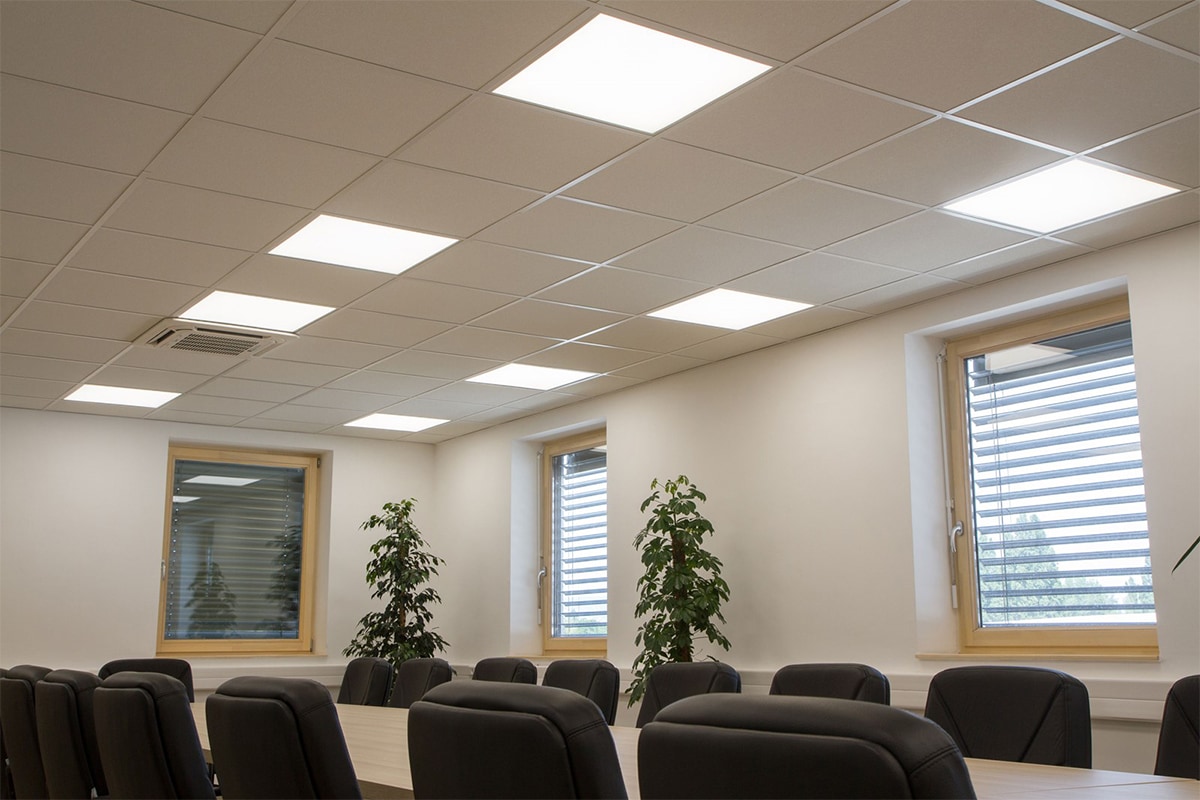
A lite led panel addresses these challenges with a simple but effective design. It uses an array of light-emitting diodes spread evenly across a flat surface, combined with a diffuser that produces uniform light. Unlike point-source lighting, the panel distributes brightness consistently, reducing glare and shadows.
What impressed me most when I first tested a lite led panel was how instantly it turned on at full brightness. There is no warm-up time, which is a major advantage over fluorescent systems. These panels also operate at lower temperatures, improving overall building efficiency.
In terms of performance, most lite led panel models offer high lumen output with low wattage. For example, a standard 2x4 panel may deliver around 4,000 lumens while consuming only 40 watts. Compared to traditional fixtures, this translates into immediate energy savings. Many panels are also compatible with smart controls, allowing dimming, scheduling, and occupancy sensing. This flexibility makes them suitable for modern energy management strategies.
Benefits of Lite LED Panel in Real-World Applications
The benefits of a lite led panel become clear when you see it in action. In office environments, consistent lighting improves focus and reduces eye strain. I have personally noticed fewer complaints from staff after LED panel upgrades, especially in open-plan offices where uniform light is critical.
Retail environments benefit in a different way. Clean, bright lighting enhances product visibility and creates a welcoming atmosphere. A case study published by ENERGY STAR highlighted a U.S. retail chain that reduced lighting energy costs by over 50 percent after switching to LED panels, while also reporting improved customer satisfaction scores.
Healthcare and educational facilities also rely on lite led panel systems. In hospitals, proper lighting supports accurate diagnosis and patient comfort. Schools benefit from lower maintenance needs and improved learning environments. In all these cases, the long lifespan of LED panels reduces disruption and operating costs.
Emergency preparedness is another key benefit. Many modern panels integrate with emergency light systems or include battery backups. This ensures that corridors and exits remain illuminated during outages, supporting safety compliance and peace of mind.
Specifications That Matter When Choosing a Lite LED Panel
Specifications can feel overwhelming, but understanding a few key points makes selection easier. Light output, measured in lumens, determines brightness. Color temperature, measured in Kelvin, affects how warm or cool the light appears. In my experience, most offices prefer neutral white around 4000K, while healthcare spaces often use cooler temperatures for clarity.
Energy efficiency is measured in lumens per watt. Higher numbers mean better efficiency. Reputable manufacturers often provide LM-79 and LM-80 test data to verify performance and longevity. Certifications such as UL and ENERGY STAR are also important indicators of quality and safety.
Panel size and mounting options matter as well. A lite led panel can be recessed, surface-mounted, or suspended, depending on ceiling type. Dimming compatibility and control options should align with how the space is used. For emergency planning, ensure the panel works with an emergency light system or includes an internal battery. These details determine whether the lighting solution truly meets operational needs.
Ideal Applications Across U.S. Business Environments
The versatility of a lite led panel makes it suitable for a wide range of applications. Corporate offices use them to create consistent work environments that support productivity. Warehouses and distribution centers benefit from high-output panels that improve visibility and reduce accidents.
In hospitality, hotels use LED panels in lobbies and conference rooms to maintain a clean and modern look. Restaurants appreciate the low heat output, which keeps dining areas comfortable. Government buildings and schools adopt these panels to meet energy efficiency mandates and reduce taxpayer-funded operating costs.
Emergency planning is also a key application. Panels that support emergency light functionality are increasingly common in commercial buildings. During inspections, I have seen how inspectors favor integrated solutions that reduce complexity while meeting safety codes. This makes the lite led panel a practical choice for both new construction and retrofits.
My Personal Take: Why I Recommend Lite LED Panel Solutions
After years of observing lighting upgrades, I can say that a lite led panel is one of the most straightforward improvements a business can make. I have seen energy bills drop, maintenance calls decrease, and employee satisfaction improve within months of installation. What stands out to me is the balance between performance and simplicity.
I also appreciate how these panels align with sustainability goals. Many U.S. companies now track carbon reduction targets, and lighting upgrades are one of the fastest ways to make progress. When paired with a reliable emergency light system, the solution covers both efficiency and safety without overcomplicating operations.
Conclusion
The shift toward lite led panel lighting is not a trend driven by aesthetics alone. It is a response to real problems in energy use, maintenance, comfort, and safety. Traditional lighting systems struggle to meet modern demands, while LED panels offer measurable improvements backed by data and real-world results.
By understanding the benefits, specifications, and ideal applications, businesses can make informed decisions that pay off over time. From improved productivity to reliable emergency light performance, the value of a lite led panel extends far beyond illumination. Based on my experience and the growing body of U.S. case studies, investing in this technology is one of the most practical steps a business can take toward a brighter, more efficient future.